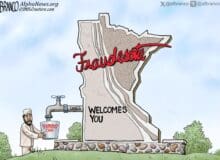
(Nov. 26 online/Nov. 30 print) The interminable lawsuit by Plaquemines Parish against the Chevron Oil company, part of an even more interminable set of lawsuits seeking money from oil companies to pay for wetlands loss, will reach yet another inflection point soon, this time at the U.S. Supreme Court.
Even this inflection point, though, won’t be the end of the ceaseless lawfare. What a waste of time. While oil companies absolutely should help pay to mitigate wetlands loss, a significant portion of which has resulted from oil production activity, these lawsuits are the wrong way to make them do it.
And this particular lawsuit against Chevron should lose.
Moreover, win or lose, a new study says the suit in the meantime has been really bad for Louisiana’s economy.
On Nov. 20, the Supreme Court announced that it would hold oral arguments Jan. 12 in Chevron v. Plaquemines Parish. At issue are not the actual merits of the plaintiffs’ claims against the oil companies, but the procedural issue of whether the cases should be adjudicated in federal courts instead of the state courts that so far have ruled against the energy producers.
Still, if Chevron persuades the Supreme Court to “remove” the case to federal court, the practical result — in the words of a Harvard Law Review article — “would be the immediate wipe-out of the $745 million judgment” that Plaquemines won in a state jury trial in April. The parish would then need to prove its case all over again in federal court….

In what I admit is an overly simplified form, the argument on the merits itself is that oil companies are being asked to pay for activity that was both legal at the time and, in some aspects, specifically approved by government authorities. The procedural argument, which to me seems compelling, is that the state trial court judge repeatedly prohibited Chevron from even showing to the jury all the actual documents — permits, inspection reports and approvals — that should serve as evidence that it acted legally.
In one major instance, the trial judge completely reversed — with neither written analysis nor change in facts — his earlier, sensible, lawful ruling that activities prior to a 1980 state law were exempt from one line of legal attack.
How, pray tell, could Chevron’s defense be understood by the jury when the jury wasn’t allowed to see the documents supporting the defense?…. [The full column is at this link.]